I create tailored narratives to connect diverse audiences with current understanding of personally relevant biomedical concepts.

My Latest Work

B-cells: The Composers of our Immune Memory

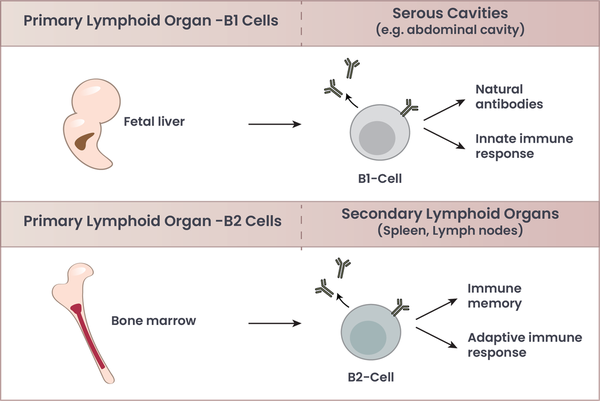
If T-cells are the conductors of our immune system, they bring to life the music composed by B-cells. Without the composer, great works would never be remembered. Their lives and capabilities are a culmination of countless moments – as for all of us – yet in precious few they wrote the music they will be remembered for. We previously took a broader look at how our immune system works. Here, we will focus on early lives of B-cells, and how they create their magnum opus: their unique antibodies. T...

Introducing: T-cells, the Conductors of the Immune System

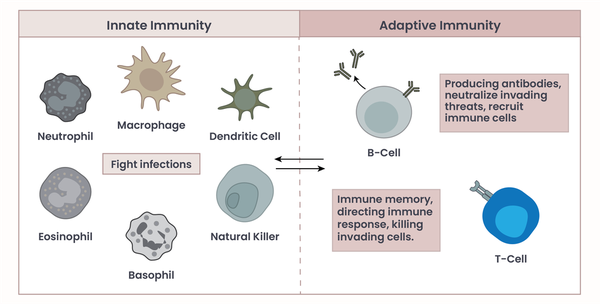
An orchestra of unique cell types works in harmony to allow our immune system to sort out invading threats such as bacteria, viruses, and cancer. The immune system can be divided into two parts: the native, adaptive (Figure 1). All cells that do the work and make up the immune system are also known as white blood cells. Native immune system cells are considered the first line of defense and fight off foreign invaders like infections or cancer as they attempt to take hold and grow. The adaptive immune system consists of B- and T-cells, among other types. B-cells store memories of invading threats in the form of bespoke antibodies. They also release antibodies to neutralize invading threats directly, or through recruitment of other immune cells. T-cells (which are made in our bone marrow, and then mature in the thymus, thus the ‘T’) also learn from invaders to prepare for future encounters, direct the entire immune response, and are capable of killing invading cells1. Balance between the numerous components of the immune system is needed to rapidly fight foreign invaders without causing a cacophony of misdirected responses that could cause more harm than good. T-cells are the immune systems conductors, leading the fight against pathogenic or cancerous cells while coordinating the complex actions of their varied orchestra.

The Journey of Breast Cancer Discovery and Conquest

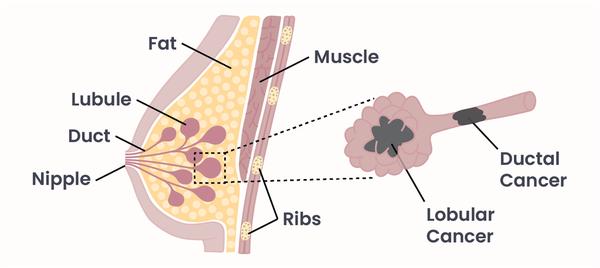
If there ever was a poster child of cancer types, breast cancer would certainly be a contender – and for good reason. Among cancer in women, it is the most common across the world, and the first or second most deadly, depending on the country1. Spanning across decades, breast cancer has been the focus of numerous impact campaigns leading to successful fundraising initiatives and increased research spending. These efforts have increased our understanding of breast cancer as a complex, multifacete...

Our body’s fruit sorter: How our immune system identifies and removes threats

Our immune system allows us to thrive despite being surrounded by life-threatening invaders like bacteria, viruses, and cancer. It functions by recognizing invading threats, and removing them – like a tomato sorter removing bad fruits (Video 1). Just like cameras take pictures of tomatoes to direct the sorting machine, immune cells constantly surveil our body to detect threats. By learning from previous infections, our bodies develop an immune memory, similar to how training data allows the sort...

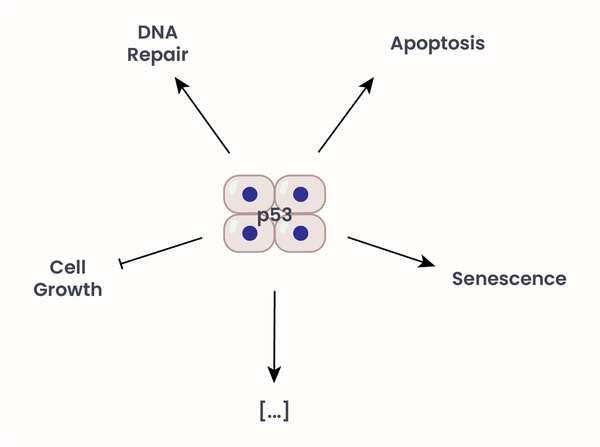
Oncogenes and tumor suppressors: The dysfunctional gas and brakes of cells that drive cancer

An orchestra of unique cell types works in harmony to allow our immune system to sort out invading threats such as bacteria, viruses, and cancer. The immune system can be divided into two parts: the native, adaptive (Figure 1). All cells that do the work and make up the immune system are also known as white blood cells. Native immune system cells are considered the first line of defence and fight off foreign invaders like infections or cancer as they attempt to take hold and grow. The adaptive immune system consists of B- and T-cells, among other types. B-cells store memories of invading threats in the form of bespoke antibodies. They also release antibodies to neutralize invading threats directly, or through recruitment of other immune cells. T-cells (which are made in our bone marrow, and then mature in the thymus, thus the ‘T’) also learn from invaders to prepare for future encounters, direct the entire immune response, and are capable of killing invading cells1. Balance between the numerous components of the immune system is needed to rapidly fight foreign invaders without causing a cacophony of misdirected responses that could cause more harm than good. T-cells are the immune systems conductors, leading the fight against pathogenic or cancerous cells while coordinating the complex actions of their varied orchestra.
Early detection of the “fire-like” spread of cancer

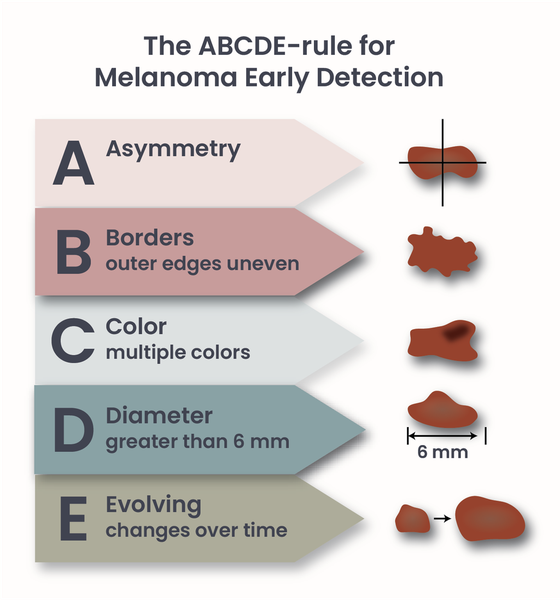
Cancer is insidious. It often starts as innocuous as a small flame burning in a remote forest – more likely to sputter out than grow. Like cancer, a fire left to its own devices, and in the right conditions, can grow to a roaring wildfire. The name of the game is thus early detection. Catching both cancer and fire early on can minimize damage done, but the more critical reason for early detection is that as each grows, they become harder to stop. So, how do we detect these unwelcome invaders bef...

Cancer: A Disease of Our Own Cells, and the Challenge of Treatment

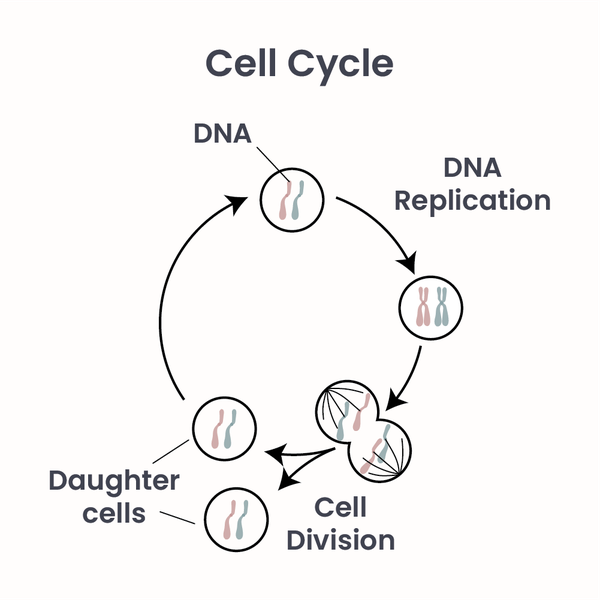
Our bodies defend against attacks from various external sources, such as bacteria and viruses. In order to differentiate between our own cells, and invaders such as bacteria and viruses, our cells recognize non-self entities. Through medical and biological research, we have learned how to aid in the biological defense process. Various antibiotics and antivirals have been developed as a result. Successful treatments rely on the ability to specifically target foreign invaders in our body – harming...

Follow Me